
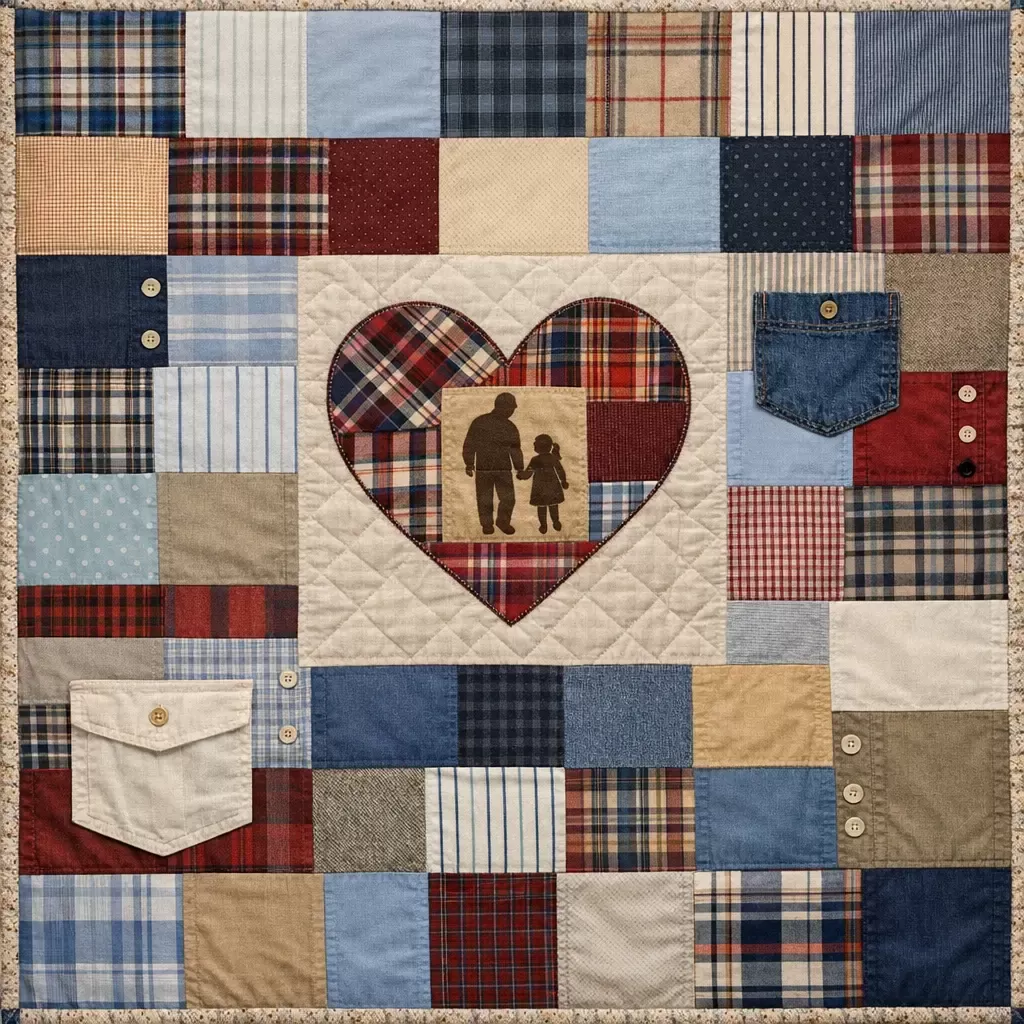
Memory Quilts: A Complete Guide to Preserving Precious Memories in Fabric
Some possessions carry more than sentimental value — they carry entire chapters of a life. A worn flannel shirt, a child's first school uniform, a collection of concert tees: these are the fabrics of memory. A memory quilt transforms these everyday items into a lasting, tactile tribute that can be held, cherished, and passed down through generations.
Whether you are commemorating a loved one, celebrating a milestone, or simply preserving a wardrobe full of stories, this guide covers everything you need to know about memory quilts — from choosing the right style to finding a skilled maker.
What Is a Memory Quilt?
A memory quilt — sometimes called a keepsake quilt or memorial quilt — is a handcrafted textile made from fabric pieces that hold personal significance. Unlike traditional quilts made from new fabric, memory quilts incorporate clothing, linens, or other textiles that belonged to a specific person or represent a particular time in life.
The result is a functional piece of art that tells a story. Each square, patch, or panel represents a memory — a holiday worn outfit, a beloved team's jersey, a grandmother's apron — stitched together into something wholly unique.
Popular Types of Memory Quilts
Memory quilts come in many forms, each suited to different types of fabrics and personal stories. Here are the most popular styles:
T-Shirt Memory Quilts
The t-shirt memory quilt is one of the most requested styles today. Graphic tees from sports teams, concerts, university years, or charity runs are cut and sewn into a patchwork blanket that captures an era of someone's life. They make outstanding graduation gifts and are a practical way to retire a collection of t-shirts that have grown too meaningful to throw away but too worn to wear.
Baby Clothes Memory Quilts
Baby and toddler clothing grows out of usefulness almost as quickly as it is worn. A baby clothes memory quilt gives those tiny garments — the first onesie, the favorite Halloween costume, the hand-knitted cardigan — a permanent home. These quilts are treasured family heirlooms and make deeply personal gifts for parents and grandparents alike.
Memorial Quilts
Created to honor the memory of someone who has passed, memorial quilts are made from a loved one's clothing, ties, scarves, or other personal items. They offer comfort to those grieving and serve as a physical connection to the person they miss. Many families commission memorial quilts as communal pieces, with family members each contributing a piece of fabric.
Wedding & Anniversary Memory Quilts
Incorporating fabric from wedding dresses, bridesmaid gowns, or even the table linens from a reception, wedding memory quilts celebrate love and commitment. They also make exceptional anniversary gifts — incorporating fabrics that mark each milestone year.
Why Choose a Memory Quilt? Key Benefits
Memory quilts offer something no other keepsake can — warmth, both literal and emotional. Here is why so many people choose them:
• Longevity: A well-made quilt can last for decades, even generations, far outliving the original garments.
• Functional art: Unlike framed photos or shadow boxes, a memory quilt is used daily — draped over a sofa, wrapped around a grandchild, folded at the foot of a bed.
• Customization: Every quilt is unique. Layout, size, color balance, and fabric selection are entirely personal.
• Emotional value: The tactile nature of fabric makes memory quilts uniquely comforting, particularly for those dealing with grief.
• Sustainability: Repurposing clothing into a quilt is an eco-conscious choice, giving new life to textiles that might otherwise be discarded.
How to Make a Memory Quilt: Step-by-Step Overview
Whether you are crafting a memory quilt yourself or working with a professional, the process follows similar stages:
Step 1 — Gather Your Fabrics
Collect the garments or textiles you want to include. Wash all items before sending them to a quilt maker. Consider the variety of colours and weights — a good memory quilt will balance these visually. Most makers can work with 12 to 40+ pieces depending on the quilt size.
Step 2 — Choose a Style and Layout
Decide on the quilt pattern. Common options include simple block grids (ideal for t-shirts), cathedral window designs, and more complex pieced patterns. Discuss sizing — a lap quilt, a throw, or a full bed quilt all require different amounts of fabric.
Step 3 — Select a Backing and Batting
The backing fabric and inner batting affect the look, warmth, and weight of the finished quilt. Fleece backings are popular for t-shirt quilts as they eliminate the need for a separate batting layer. Cotton batting offers a traditional, lightweight feel.
Step 4 — Cutting, Stabilising, and Piecing
Stretchy fabrics like jersey (common in t-shirts) require interfacing — a fusible backing that stabilises the fabric so it can be accurately cut and sewn. A skilled quilt maker will handle this process carefully to preserve print placement and prevent distortion.
Step 5 — Quilting and Finishing
The quilt top, batting, and backing are layered and stitched together — a process called quilting. This can be done in a simple straight-line stitch or with decorative free-motion patterns. Finally, the quilt is bound with a coordinating fabric strip around the edges for a neat, durable finish.
DIY Memory Quilt vs. Hiring a Professional
Making a memory quilt yourself can be deeply rewarding, but it requires time, skill, and the right equipment — particularly for stretchy fabrics. Here is how to decide which route suits you:
Consider DIY if:
• You have quilting or sewing experience and own a sewing machine
• You have ample time (a full quilt can take 20–60+ hours)
• The project has personal significance and you want the process to be part of the tribute
• You are working with straightforward, non-stretchy fabrics
Consider a professional if:
• The fabrics include stretchy jersey, silk, or other difficult materials
• You want a polished, heirloom-quality finish
• Time is limited or the quilt is a gift with a deadline
• You are working with irreplaceable items and cannot risk mistakes
How to Choose the Right Memory Quilt Maker
Not all quilters specialize in memory quilts. When searching for a maker, look for these qualities:
• Portfolio of previous work: Ask to see examples of completed memory quilts, particularly those using t-shirt or stretchy fabrics.
• Clear communication: A good maker will discuss your vision, offer layout options, and keep you informed throughout the process.
• Transparent pricing: Quotes should be itemised, covering fabric handling, labour, batting, and backing.
• Experience with interfacing: This is non-negotiable for t-shirt quilts — ask specifically how they stabilise stretchy fabrics.
• Reviews and testimonials: Look for feedback that mentions quality, durability, and how the finished quilt met expectations.
• Turnaround time: Handmade quilts take time. Expect several weeks to a few months for a professionally made quilt.
Memory Quilt Ideas: Finding Inspiration
Not sure which direction to take your quilt project? Here are some of the most heartfelt and creative memory quilt ideas:
• Sports fan tribute: Jerseys and kit from a lifetime of supporting a team, arranged by decade.
• School years quilt: One square from each year of school uniform, from reception through to sixth form.
• Travel memories quilt: T-shirts from cities, countries, and adventures visited over a lifetime.
• Grandparent's wardrobe: Shirts, blouses, ties, and aprons from a grandparent's daily life — a living heirloom for grandchildren.
• New baby quilt: Combines baby clothes with soft fabrics gifted at a baby shower.
• Retirement quilt: Made from work shirts, branded clothing, and team items — a celebration of a career.
• Couple's quilt: Incorporating fabrics from both partners — matching the story of a shared life.
Caring for Your Memory Quilt
A memory quilt is an investment worth protecting. Follow these care guidelines to keep it in excellent condition:
• Wash infrequently and gently: Machine wash on a cold, delicate cycle or hand wash in a large sink.
• Use a mild, colour-safe detergent to prevent fading.
• Dry flat or on a low tumble heat setting — avoid high temperatures, particularly with jersey fabrics.
• Store folded loosely in a breathable cotton bag, away from direct sunlight.
• Avoid long-term compression — refold occasionally to prevent permanent crease lines.
• Display with care: If hanging a quilt for display, use a quilt sleeve and rod rather than pins or clips.
Frequently Asked Questions About Memory Quilts
How many shirts do I need for a memory quilt?
This depends on the desired quilt size. A lap-sized quilt (approximately 50" x 60") typically uses 12–16 t-shirts, while a full/queen throw may require 20–30. Most professional makers provide a sizing guide when you enquire.
Can I include items other than clothing?
Yes. Many quilt makers can incorporate scarves, handkerchiefs, tea towels, bandanas, and even fabric from soft toys. If you have photos you would like included, fabric printing services can transfer images onto quilting fabric for integration into the design.
How long does it take to make a memory quilt?
If making one yourself, expect to invest 20–60+ hours depending on complexity and experience. Professional makers typically quote 4–12 weeks, depending on their current order volume. If you have a deadline (such as a birthday or Christmas), commission early.
How much does a memory quilt cost?
Prices vary widely based on size, complexity, and the maker's experience. Professionally made memory quilts typically range from £100 to £500+ in the UK, or $150 to $600+ in the US. The quality of materials, type of quilting, and backing fabric all influence the final price.
A Gift That Lasts a Lifetime
Memory quilts occupy a rare category of gift and keepsake — one that is simultaneously practical and profoundly personal. They transform the ordinary into the extraordinary, and the forgotten into the forever remembered.
Whether you are commemorating a milestone, honouring a loved one, or simply finding a beautiful home for a wardrobe full of stories, a memory quilt is an investment that will be cherished for generations.
Start gathering your fabrics, choose a style that speaks to your story, and let every stitch hold the weight of a memory worth keeping.